

Excavation and grading : digging to the right depth, grading water away from the house
We handle excavation for foundations, additions, renovations and infrastructure work, then grade the lot so water flows away from buildings. Before the work starts, we request a utility locate, go over municipal requirements with you and plan where the soil will go. For houses, residential buildings and commercial properties across western Montreal.
Excavating to the right depth, on ground that can carry the load
For a foundation or an addition, the depth comes from the plans. The footing has to be protected from frost and rest on soil that can carry it: undisturbed native soil, not loosened earth or old fill. If the soil found at the bottom can't carry the load, nothing gets built on it, and a hole dug too deep isn't topped back up with loose soil: either way, the fix follows the plans or the engineer's direction. A trench for infrastructure work follows the same principle: its depth and bedding are set ahead of time.
Renovation work often means exposing an existing foundation, for example to replace the French drain and membrane. That means digging along a wall without undermining the soil that supports it. When someone has to go down into an excavation, the walls are generally shored or cut back to a slope under CNESST rules, and the soil coming out is kept back from the edge, just like the machinery. An excavation job takes up more room than the hole itself.
Grading: starting from the finished level
Grading a lot means moving soil until the ground takes the shape it needs. We start from the levels that won't change: door sills, basement windows, the street, the neighbour's lot. Then we work backwards: from the finished level, we subtract the thickness of everything that will go on top, whether that's an asphalt driveway and its stone base, pavers, or topsoil and sod, and that's the level we give the ground.
High spots often supply the soil that fills the low ones, leaving less to bring in or haul away. Where a driveway, walkway or patio will go, the grade is built up with stone or another granular material instead, compacted in layers. Under a future lawn, before the landscaping goes in, fill soil is compacted just enough not to settle, without getting so hard that roots can't work their way down. The final slope carries water away from the foundations, toward the street or the back of the lot, without sending more of it onto a lower property: the Civil Code of Québec prohibits that.
Clay and the spring thaw: when the ground sets the schedule
In several parts of the West Island, we dig into clay. Firm when dry, it softens as soon as it soaks up water, and a clay excavation bottom left out in the rain loses bearing strength, so we leave it exposed as briefly as possible. Wet clay sticks to the machines, weighs more in the trucks and won't compact anymore, so we avoid moving it around in the rain.
In spring, the ground thaws from the top down while the layer underneath is still frozen, so meltwater can't drain and stays trapped near the surface. Saturated soil won't compact and machinery leaves ruts in it, so grading and the stone base wait until the ground has drained. Trucks also run with reduced loads during the thaw period, which affects hauling soil and stone.
What we sort out before the machinery shows up
A good share of an excavation job is decided before the first bucket of soil comes out. For the full checklist, see our guide to planning an excavation project.
Underground utilities
Info-Excavation passes the request on to its members, who locate their lines, usually with paint or flags on the ground. Near the marks, we dig by hand. Anything you had buried yourself, like a line to the shed, isn't located for free, so point it out to us.
Permits
An addition needs a building permit. For cut-and-fill work, the rules change from one city to the next: in Pointe-Claire, for example, excavating or changing the shape of a lot requires a certificate of authorization. Along the water, the shoreline and flood zones have their own rules.
Access and what stays in place
Passage width, a fence to open, power lines overhead, trees to keep: we map out the machinery's route ahead of time. Its weight compacts the soil over roots and can crack a sidewalk, a curb or a driveway that's staying, so we go around them or protect them.
Property lines
Excavation or grading near a property line has to be planned from known boundaries. A hedge or a fence doesn't always follow the actual line: when in doubt, a land surveyor's staking marks it on the ground before we dig.
An excavation job, step by step
Site visit
We take levels, look at the soil, the access and what has to stay untouched, then prepare your free quote.
Locates and permits
Info-Excavation request a few business days before digging, and a municipal permit in hand when the work requires one.
Protection and digging
Machinery route protected, trees and surfaces to keep fenced off, then digging to the planned level, by hand near the locate marks.
Backfill and base
Once what goes in the ground is in place, backfilling in compacted layers, then a crushed-stone base when asphalt or pavers come next.
Final grading
Slopes checked away from the buildings, extra soil loaded and hauled away, ground ready for asphalt, pavers or sod.
Frequently asked questions
Who has to make the Info-Excavation request?
Whoever does the digging: the company doing the work, in its own name, or you, if you're digging yourself. The service is free, but Info-Excavation asks for a few business days' notice. Its members locate their own infrastructure; a company that isn't a member has to be contacted directly, and private lines you had buried aren't located for free. We file the request as part of planning the job.
Can excavated soil be reused as backfill?
Partly. Clean soil, free of debris and organic matter, can be used as fill where nothing heavy will be built, spread in layers and compacted. Under a driveway, a walkway or a patio, crushed stone goes back in instead. And soil that's too wet has to wait before going back in place: until it dries, it won't compact and it will settle later.
How much soil comes out of an excavation?
More than the volume of the hole. Once dug, soil loosens up and takes more room than it did in the ground; that's called swell. So the number of truckloads can't be worked out from the hole's measurements alone. Weight matters too, especially for wet soil, and during the thaw period trucks carry less. Your quote takes all of this into account.
Can you dig close to a neighbour's foundation?
Yes, with precautions. Digging lower than a neighbouring footing, right next to it, can remove the soil that supports it, so that kind of excavation calls for specific measures set by an engineer. We first find out where the neighbouring foundations are, and we come to an agreement with the neighbour before any machinery crosses their property.
See also
Bulk hauling
Excavation and demolition
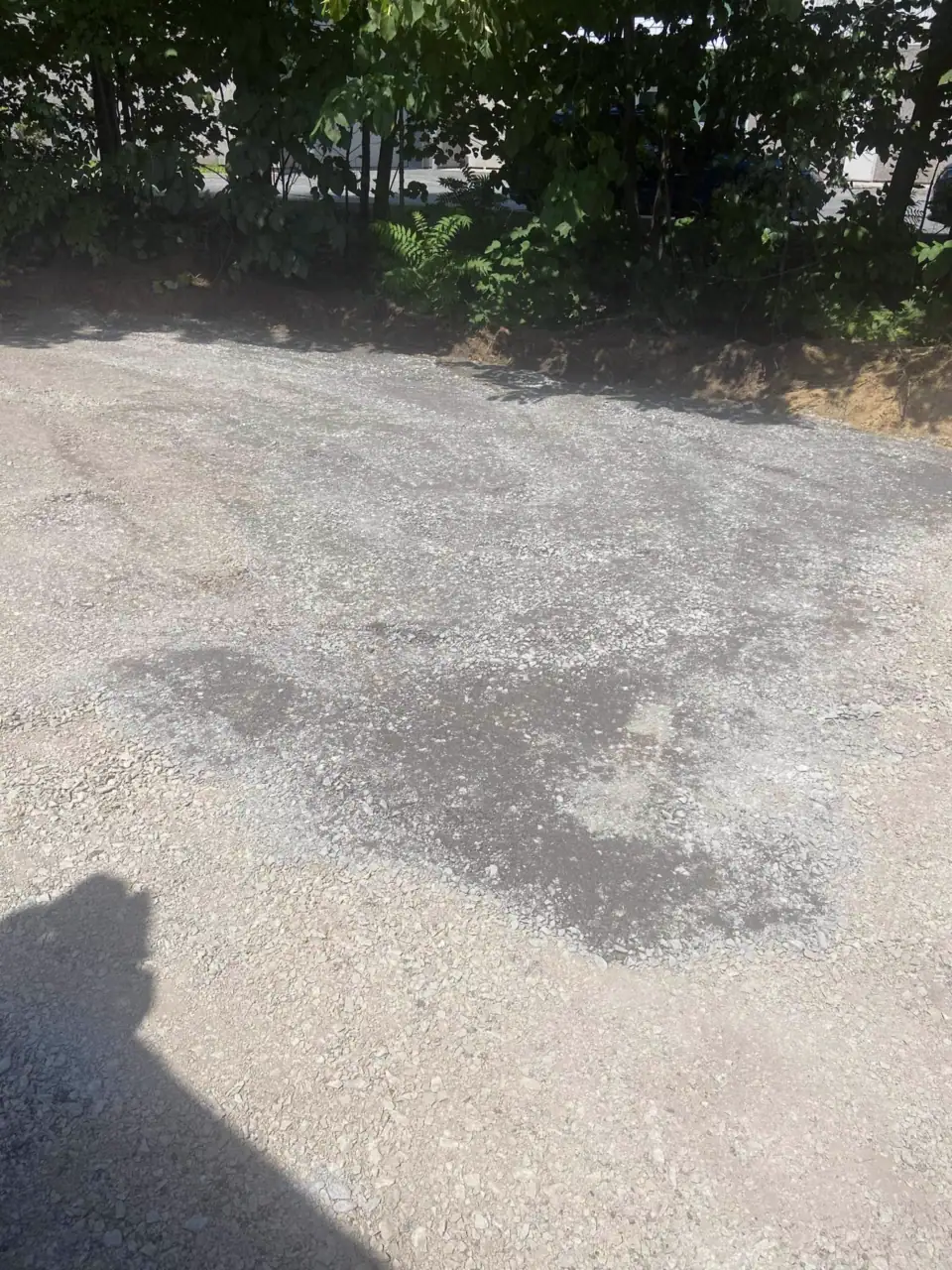
Delivery of soil, gravel, sand and stone, plus hauling of soil removed during excavation, with the right material for each use and the right spot to dump it.
Learn more
Installation and replacement
French drains
Clogged or crushed drain, existing house or new foundation: we dig down to the footing, lay a new drain in clear stone and put the ground back in shape.
Learn more
Driveway paving
Asphalt
Driveways for detached and semi-detached homes and plexes, garage ramps included: old surface out, crushed stone compacted, and a slope that takes water to the street or the catch basin.
Learn moreAreas we serve
Foundations, additions or slope correction: we dig and grade in the areas below, starting from Lachine, where the company is based.

Get your free quote
Tell us about the work you need. We'll call you back to discuss it and prepare your quote.
Request a quote