

Interior demolition : a room stripped to the structure, with the rest left intact
Before a renovation, we handle the interior demolition: bathrooms, partition walls, finishes and floors removed down to the structure, in houses, plexes, condominiums and commercial spaces. We protect what stays, take the debris away and leave a clear room ready for the plumber, the electrician and the carpenter, working with you or your general contractor.
Before the first swing of the sledgehammer
Demolition starts with what needs to be shut off. Water, gas and electricity in the rooms involved have to be turned off and made safe before a wall is opened, and that job belongs to the plumber, the electrician and, if there's gas, a qualified gas contractor. We don't do plumbing or electrical work: we start once those shut-offs are done.
We also confirm what has to stay standing. A partition wall can come out; a wall that carries the floor above is part of the structure: that's where we stop, and changing it calls for an engineer's opinion. Depending on the municipality and the scope of the renovation, a permit may be required, and if so, it has to be issued before demolition begins.
Older buildings: checking for asbestos before demolition
In an older building, some materials may contain asbestos, and it's rarely marked on them: plaster and decorative finishes, drywall and joint compound, vinyl floor tiles and their adhesive, ceiling tiles, boiler or duct insulation, vermiculite. Before work that could release asbestos dust, Quebec's occupational health and safety regulations require checking whether asbestos is present.
Under those regulations, any material that may contain asbestos is presumed to contain it unless shown otherwise. The check relies on lab analysis of representative samples, on analyses the owner already had done, or on a technical data sheet that gives the material's composition. If asbestos is confirmed, work affecting it follows the protective methods set out in the regulations. If you already have a lab report, include it with your quote request.
Protecting what stays, making room for the other trades
Interior demolition happens in a building where life goes on around it. We cover floors and stairs along the debris route, close off the room with plastic sheeting to hold the dust and seal the vents; otherwise a forced-air heating system spreads it through the whole house. In a plex, a condominium or a commercial building, we account for neighbours, common areas and permitted work hours.
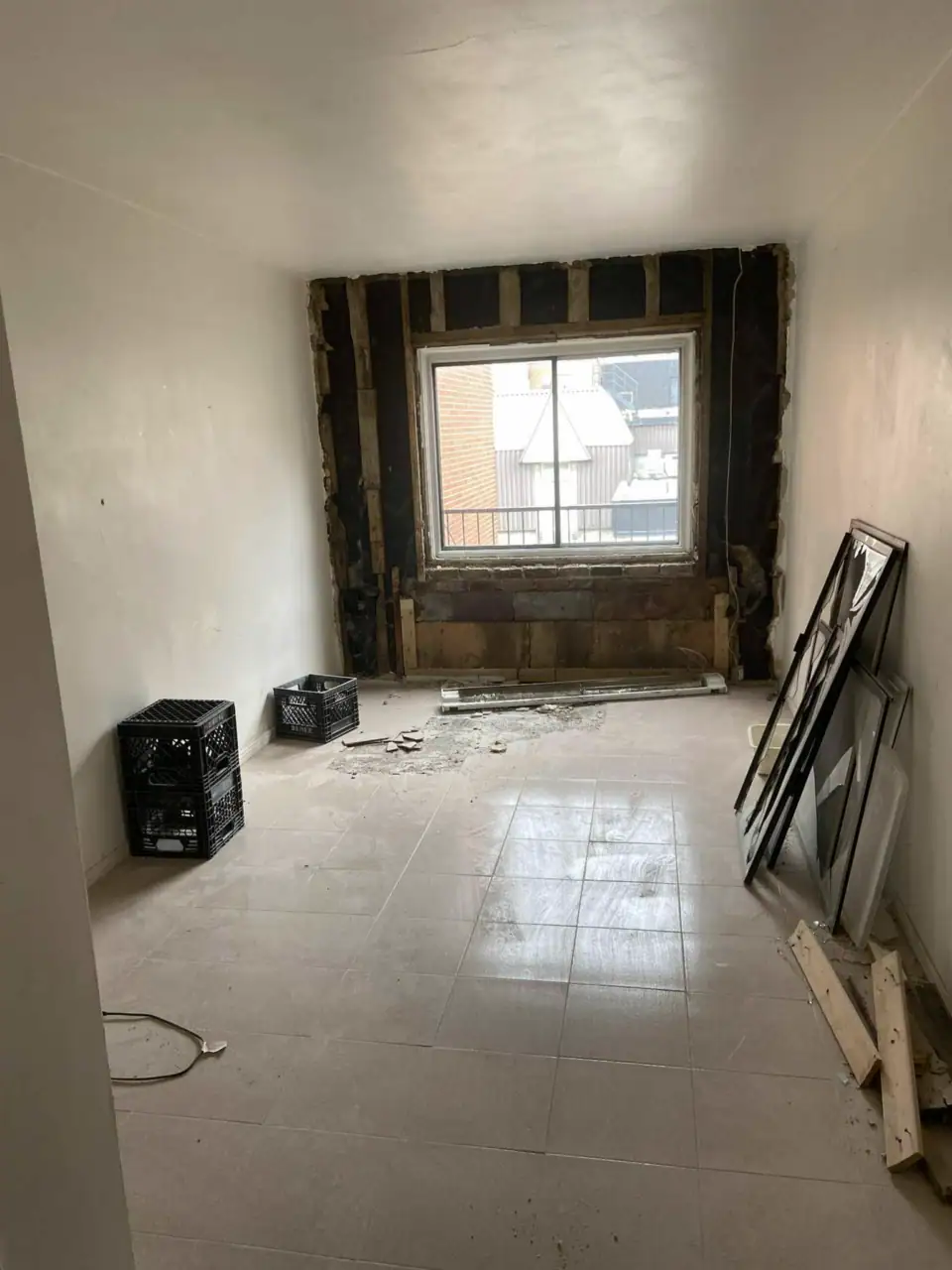
Debris goes out as the work progresses and is taken to facilities authorized to accept it. Once the walls are open, we pull the nails and screws left in the studs and sweep up, so the plumber, the electrician and the carpenter walk into a clear room where the condition of the structure is visible. If demolition reveals a floor damaged by an old leak or another hidden problem, we show it to you before the next phase starts.
What demolition involves, room by room
What comes out and what we check change from room to room. Here are the cases we see in houses, plexes and commercial spaces. You'll find examples of our projects in our work.
Bathroom
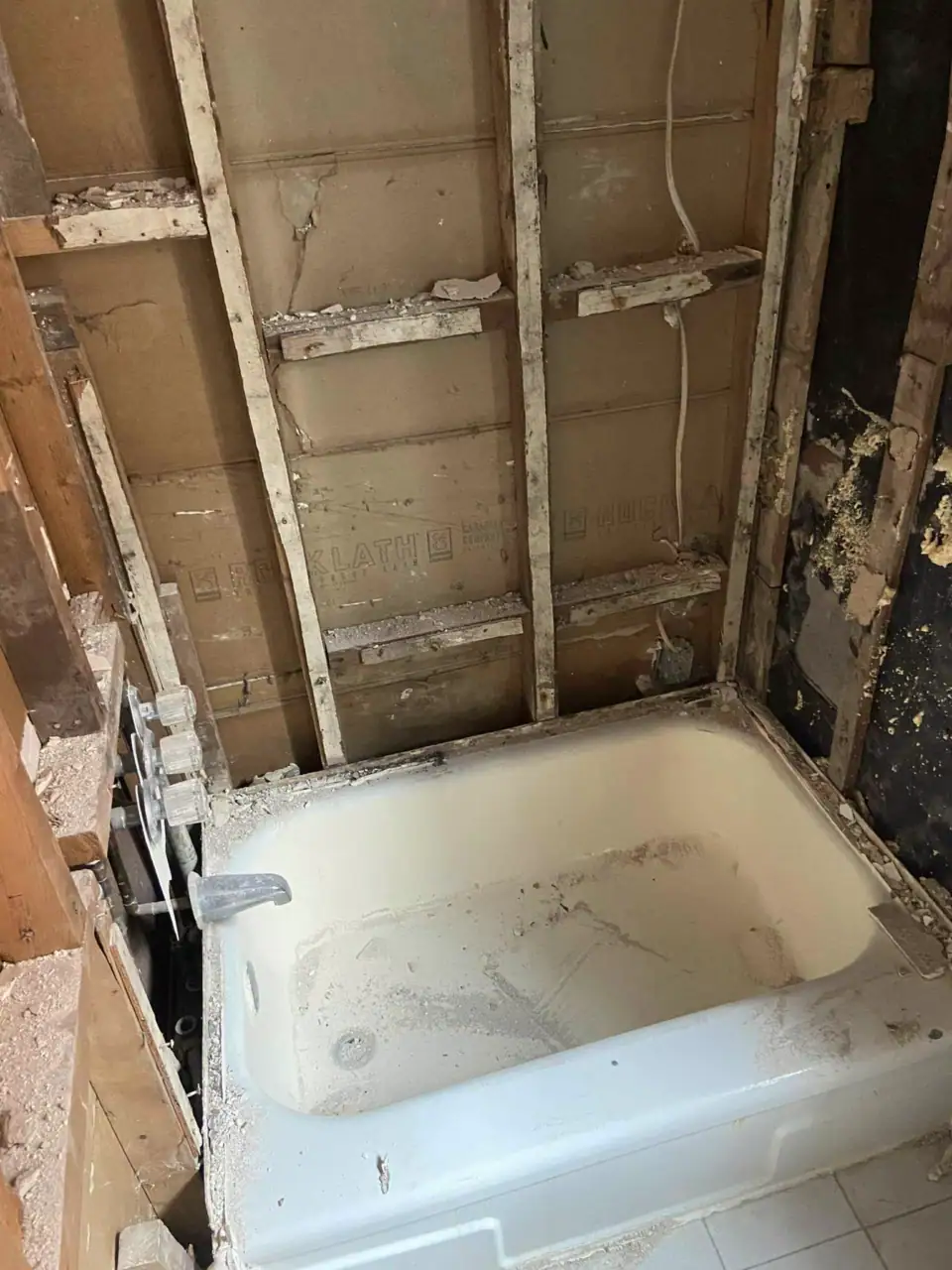
The tub, shower, vanity, toilet and tile come out once the plumber has shut off the water and capped the lines. Anything being kept, such as a tub, is protected in place. Under the tile, we check the backing and the floor, where an old leak leaves its mark.
Walls and floors down to the structure
Drywall, plaster and lath removed down to the studs or furring strips; tile, hardwood, linoleum or carpet down to the subfloor. We open up what's needed to redo insulation, wiring or plumbing, without touching the door and window frames that stay.
Basement after water got in
Wet drywall and insulation, often along the bottom of the walls, come out so the foundation can dry and you can see where the water is getting in. If it's coming from outside, a French drain inspection can pinpoint the source before anyone digs.
Commercial space
A unit being emptied for a new tenant or a reconfiguration: partition walls, finishes and floors removed according to the plans. The work is scheduled with the building manager, around neighbouring businesses' opening hours and the building's rules.
Interior demolition, step by step
Visit and quote
We look at the rooms, mark what goes and what stays, and prepare a detailed free quote.
Shut-offs and checks
Water, gas and electricity shut off by the right trades; materials that may contain asbestos checked before work begins.
Protection
Floors and stairs covered, the room sealed off with plastic sheeting, vents closed and the debris route set.
Demolition and debris
Removal down to the structure, working from the top down, with debris taken out as we go to authorized facilities.
Room ready
Nails and screws pulled, room swept, condition of the structure shown to the owner or general contractor before the next phase.
Our jobs




Frequently asked questions
How much does interior demolition cost?
The cost varies with the area, the materials to remove, access for getting debris out and how much debris there is. Plaster and lath, for example, is heavier and slower to remove than drywall, and an upper floor with no elevator doesn't empty out like a ground floor. Any checks needed in an older building also count. We assess all of this on site, then prepare your quote.
Do the water and electricity have to be shut off before demolition?
Yes, in the rooms involved, and before we arrive: a wall can hide a live wire or a pressurized pipe. Shutting things off and making them safe is done by a plumber, an electrician and, if there's gas, a qualified gas contractor. That work isn't part of our services: we agree with you or your general contractor on when everything will be ready.
How do I know if there's asbestos in my house?
Through lab analysis of samples of the materials involved, since asbestos is rarely marked on a material. In an older building, plaster, joint compound, some vinyl tiles and their adhesive or the insulation on an old boiler can contain it. On a work site, occupational health and safety regulations require this check before any demolition that could release asbestos dust.
What do you do with demolition debris?
We take it out as the work progresses, along a protected route, then haul it to facilities authorized to accept construction and demolition debris. Materials that contain asbestos don't go out with that debris: they're removed separately, before the rest of the demolition, placed in sealed, labelled containers and disposed of at an authorized site.
See also
Bulk hauling
Excavation and demolition
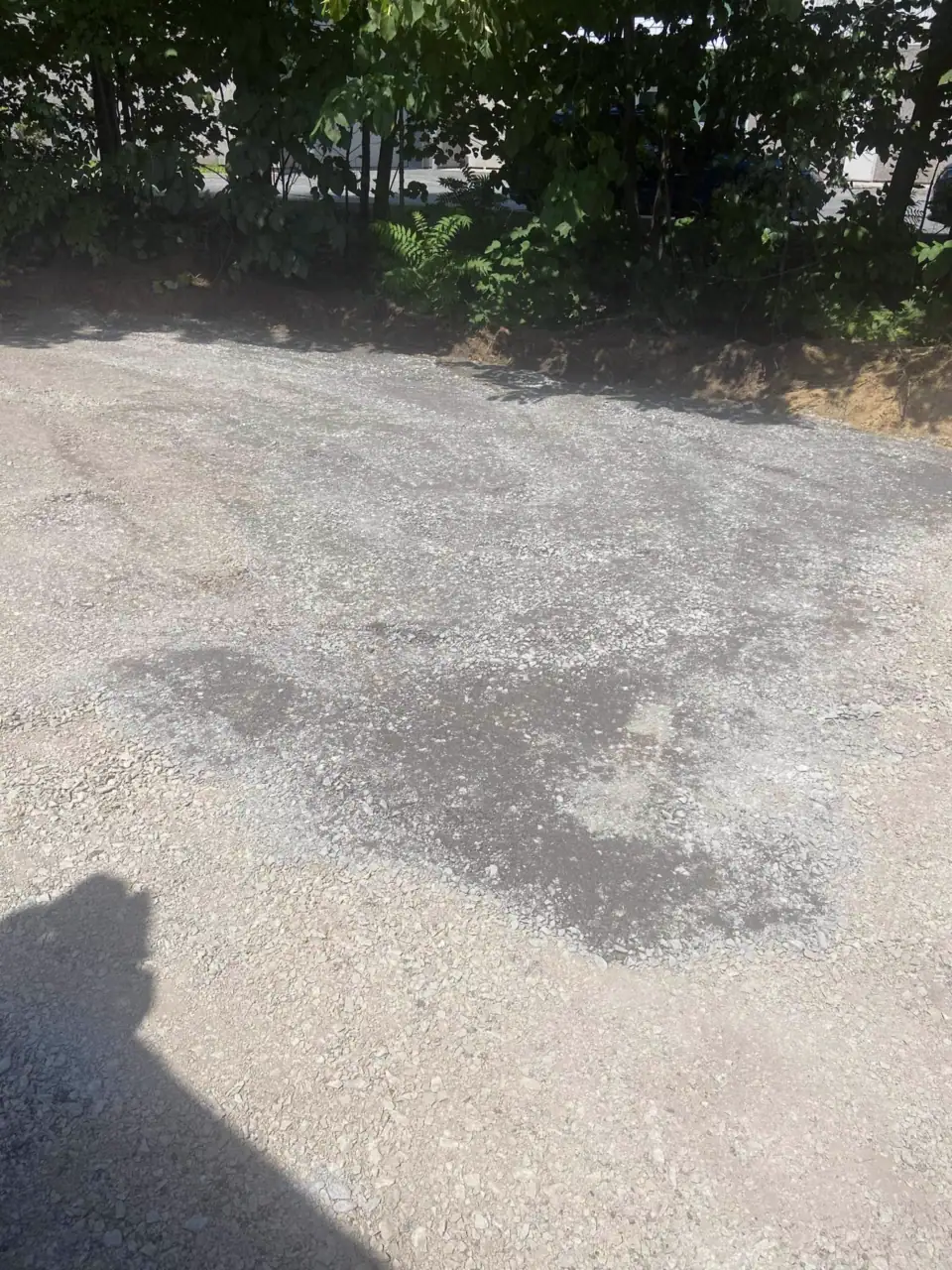
Delivery of soil, gravel, sand and stone, plus hauling of soil removed during excavation, with the right material for each use and the right spot to dump it.
Learn more
Excavation and grading
Excavation and demolition
Excavation for foundations, additions, renovations and infrastructure, slope correction and ground preparation before asphalt, interlocking pavers or sod.
Learn more
Drain inspection
French drains
A leak can come from a gutter, the grading, a crack or the drain. We work out which one before digging, and only dig where it's needed.
Learn moreAreas we serve
We handle interior demolition, in homes and businesses alike, throughout the following areas.

Get your free quote
Tell us about the work you need. We'll call you back to discuss it and prepare your quote.
Request a quote